Buy casinojobs.eu ?
We are moving the project
casinojobs.eu .
Are you interested in purchasing the domain
casinojobs.eu ?
domain@kv-gmbh.de · 0541-91531010
Buy casinojobs.eu ?
Why is Rutherford's scattering experiment called a scattering experiment at all?
Rutherford's experiment is called a scattering experiment because it involved firing alpha particles at a thin gold foil and observing how they scattered after hitting the foil. The term "scattering" refers to the process of particles being deflected from their original path as a result of collisions with the atoms in the foil. By analyzing the pattern of scattering, Rutherford was able to deduce the structure of the atom and propose the existence of a dense, positively charged nucleus at its center. This experiment was crucial in advancing our understanding of atomic structure and the behavior of subatomic particles. **
What was Rutherford's scattering experiment?
Rutherford's scattering experiment involved firing alpha particles at a thin gold foil and observing their deflection. The experiment aimed to study the structure of the atom and determine how the positive charge is distributed within it. The unexpected results of the experiment led Rutherford to propose the nuclear model of the atom, where he suggested that atoms have a small, dense, positively charged nucleus at their center. This experiment was crucial in advancing our understanding of atomic structure. **


Similar search terms for Scattering
Top-Angebote
Products related to Scattering:
-
Suhr Pro Series S3 Dealer Select GG Orange 2011 Electric Guitar orange - RefurbishedThis is a Suhr Pro Series S3 Dealer Select electric guitar in Custom GG Orange finish with matching headstock. Suhr guitars are the work of John Suhr, who started his career as a guitar technician at Rudy's Music Stop in NYC. He began building guitars in 1974; creating Mark Knopfler's famous signature model under the Pensa-Suhr name in 1984. Made in the USA, this guitar is a custom order of 3 of 5 guitars that were commissioned by Guitar Guitar, features include a bolt-on construction comprising a Basswood body with a Flamed Maple top, Maple neck and a 22 Stainless Steel fret Indian Rosewood fingerboard. This guitar is equipped with Chrome hardware including a Gotoh 510 2-Post tremolo bridge with Steel Block Saddles, a Tusq nut and a set of Sperzel locking tuning machines. The pickups are installed in an HSS configuration, with a Suhr Aldrich humbucker in the bridge and a pair of Suhr JST ML/Mike Landau single-coils in the neck & middle positions. These are wired to a 5-way selector switch, master volume and a master tone control. The Maple neck sits comfortably in the hand, with the Even Slim ‘C’ profile feeling slender, whilst the Satin finish which has been lightly polished to a Gloss to the rear of the neck provides a comfortable, smooth and articulate playing experience up and down the neck. The Maple fingerboard is pleasant to the touch, and with its 10"-14" compound radius and Jumbo Stainless Steel frets assist with string bends and vibrato techniques, delivering a tailored ‘modern’’ playing experience in any position, whilst offering a nice balance between comfortable chord playing and practicality for quick lead lines. The double cutaway body design allows for great access to the instruments highest frets, allowing the player to make the most of the entire register. The Suhr JST ML/Mike Landau single-coils pickups deliver quintessential ‘Strat’ sounds with a dash of Suhr's signature refinement. They sound sparkly with a hint of darkness, whilst retaining clarity with each note. The Suhr Aldrich humbucker in the bridge provides a bright & snappy tone without sounding at all brittle or harsh, and with a hot output can drive your amp into a searing overdrive tone for rock rhythm parts. However, with subtler amp settings the bridge offers a glassy clean tone. The middle position provides bright trebles and full warm bass, and lends itself well to rhythm tones. The neck pickup offers a smooth, warm, rounded tone that handles distorted tones as well as it handles clean tones. The simplistic controls offer the player a great platform that is ready for whatever is thrown at it.2490,00 £*Shipping: 0,00 £Secure redirect to the provider
-
SAMSUNG HG43U800FEU HU8000F Series - 43" LED-backlit LCD TV - Crystal UHD - 4K - for hotel / hospitalitySamsung HG43U800FEU - 43" Diagonal Class HU8000F Series LED-backlit LCD TV - Crystal UHD - hotel / hospitality - Tizen Enterprise - 4K UHD (2160p) 3840 x 2160 - HDR - black468,99 £*Shipping: 0,00 £Secure redirect to the provider
-
SAMSUNG HG50U800FEU HU8000F Series - 50" LED-backlit LCD TV - Crystal UHD - 4K - for hotel / hospitalitySamsung HG50U800FEU - 50" Diagonal Class HU8000F Series LED-backlit LCD TV - Crystal UHD - hotel / hospitality - Tizen Enterprise - 4K UHD (2160p) 3840 x 2160 - HDR - black588,99 £*Shipping: 0,00 £Secure redirect to the provider
-
SAMSUNG HG65U800FEU HU8000F Series - 65" LED-backlit LCD TV - Crystal UHD - 4K - for hotel / hospitalitySamsung HG65U800FEU - 65" Diagonal Class HU8000F Series LED-backlit LCD TV - Crystal UHD - hotel / hospitality - Tizen Enterprise - 4K UHD (2160p) 3840 x 2160 - HDR - black893,99 £*Shipping: 0,00 £Secure redirect to the provider



-
What is the Rutherford scattering experiment?
The Rutherford scattering experiment was conducted by physicist Ernest Rutherford in 1909. In this experiment, Rutherford bombarded a thin gold foil with alpha particles and observed their scattering patterns. The unexpected results of the experiment led to the discovery of the atomic nucleus and the development of the nuclear model of the atom. The experiment showed that most of the alpha particles passed through the foil, but some were deflected at large angles, indicating the presence of a small, dense nucleus within the atom. This experiment revolutionized our understanding of the structure of the atom. **
-
What is the Rutherford scattering with copper?
Rutherford scattering with copper refers to the experiment conducted by Ernest Rutherford in which he bombarded a thin gold foil with alpha particles. The experiment led to the discovery that atoms have a small, dense nucleus at their center, which was a groundbreaking finding in the field of nuclear physics. The use of copper in the experiment is not common, as gold was the metal foil typically used due to its malleability and ability to be made very thin. **
-
What is the difference between reflection and scattering?
Reflection occurs when light bounces off a surface at the same angle it hits it, resulting in a clear image. Scattering, on the other hand, occurs when light is dispersed in different directions by particles or irregularities in a medium, resulting in a diffuse or hazy appearance. In reflection, the light maintains its original intensity and color, while in scattering, the light may lose intensity and change color due to the interaction with the medium. **
-
What causes the photoelectric effect: absorption or scattering?
The photoelectric effect is caused by absorption of photons by electrons in a material, rather than scattering. When a photon with sufficient energy is absorbed by an electron in a material, it can transfer enough energy to the electron to liberate it from the material, causing the photoelectric effect. Scattering, on the other hand, involves the redirection of photons by particles in a material, but it does not result in the ejection of electrons from the material. **

Can you repeat the Rutherford scattering experiment in physics?
Yes, the Rutherford scattering experiment can be repeated in physics. The experiment involves firing alpha particles at a thin gold foil and observing their scattering patterns. This experiment can be replicated using modern equipment and techniques to study the behavior of alpha particles and the structure of the atom. By using more advanced detectors and data analysis methods, scientists can continue to explore the fundamental principles of atomic structure and the behavior of subatomic particles. **
Why is the Rutherford experiment called the scattering experiment?
The Rutherford experiment is called the scattering experiment because it involved firing alpha particles at a thin gold foil and observing how they scattered after hitting the foil. This scattering of alpha particles provided crucial evidence for the existence of a small, dense nucleus within the atom, as most of the alpha particles passed through the foil with little deflection, but a small fraction were scattered at large angles. This unexpected scattering pattern led to the development of the nuclear model of the atom and revolutionized our understanding of atomic structure. **
Top-Angebote
Products related to Scattering:
-
Red Vanilla Hospitality White Square Salad Plate - Set of 6Hospitality White is simple enough for every day use but Elegant enough for that special occasion. Red Vanilla Hospitality White Square Salad Plate Set of 6 decorates any setting with its sleek white finish.89,99 $*Shipping: 0,00 $Secure redirect to the provider
-
SAMSUNG HU7000F Hospitality 4K Crystal UHD Smart TV HG43U700FEU Black - 43"Samsung HG43U700FEU - 43" Diagonal Class HU7000F Series LED-backlit LCD TV - Crystal UHD - hotel / hospitality - Tizen Enterprise - 4K UHD (2160p) 3840 x 2160 - HDR - black392,49 £*Shipping: 0,00 £Secure redirect to the provider
-
Suhr Pro Series S3 Dealer Select GG Orange 2011 Electric Guitar orange - RefurbishedThis is a Suhr Pro Series S3 Dealer Select electric guitar in Custom GG Orange finish with matching headstock. Suhr guitars are the work of John Suhr, who started his career as a guitar technician at Rudy's Music Stop in NYC. He began building guitars in 1974; creating Mark Knopfler's famous signature model under the Pensa-Suhr name in 1984. Made in the USA, this guitar is a custom order of 3 of 5 guitars that were commissioned by Guitar Guitar, features include a bolt-on construction comprising a Basswood body with a Flamed Maple top, Maple neck and a 22 Stainless Steel fret Indian Rosewood fingerboard. This guitar is equipped with Chrome hardware including a Gotoh 510 2-Post tremolo bridge with Steel Block Saddles, a Tusq nut and a set of Sperzel locking tuning machines. The pickups are installed in an HSS configuration, with a Suhr Aldrich humbucker in the bridge and a pair of Suhr JST ML/Mike Landau single-coils in the neck & middle positions. These are wired to a 5-way selector switch, master volume and a master tone control. The Maple neck sits comfortably in the hand, with the Even Slim ‘C’ profile feeling slender, whilst the Satin finish which has been lightly polished to a Gloss to the rear of the neck provides a comfortable, smooth and articulate playing experience up and down the neck. The Maple fingerboard is pleasant to the touch, and with its 10"-14" compound radius and Jumbo Stainless Steel frets assist with string bends and vibrato techniques, delivering a tailored ‘modern’’ playing experience in any position, whilst offering a nice balance between comfortable chord playing and practicality for quick lead lines. The double cutaway body design allows for great access to the instruments highest frets, allowing the player to make the most of the entire register. The Suhr JST ML/Mike Landau single-coils pickups deliver quintessential ‘Strat’ sounds with a dash of Suhr's signature refinement. They sound sparkly with a hint of darkness, whilst retaining clarity with each note. The Suhr Aldrich humbucker in the bridge provides a bright & snappy tone without sounding at all brittle or harsh, and with a hot output can drive your amp into a searing overdrive tone for rock rhythm parts. However, with subtler amp settings the bridge offers a glassy clean tone. The middle position provides bright trebles and full warm bass, and lends itself well to rhythm tones. The neck pickup offers a smooth, warm, rounded tone that handles distorted tones as well as it handles clean tones. The simplistic controls offer the player a great platform that is ready for whatever is thrown at it.2490,00 £*Shipping: 0,00 £Secure redirect to the provider
-
SAMSUNG HG43U800FEU HU8000F Series - 43" LED-backlit LCD TV - Crystal UHD - 4K - for hotel / hospitalitySamsung HG43U800FEU - 43" Diagonal Class HU8000F Series LED-backlit LCD TV - Crystal UHD - hotel / hospitality - Tizen Enterprise - 4K UHD (2160p) 3840 x 2160 - HDR - black468,99 £*Shipping: 0,00 £Secure redirect to the provider
-
Why is Rutherford's scattering experiment called a scattering experiment at all?
Rutherford's experiment is called a scattering experiment because it involved firing alpha particles at a thin gold foil and observing how they scattered after hitting the foil. The term "scattering" refers to the process of particles being deflected from their original path as a result of collisions with the atoms in the foil. By analyzing the pattern of scattering, Rutherford was able to deduce the structure of the atom and propose the existence of a dense, positively charged nucleus at its center. This experiment was crucial in advancing our understanding of atomic structure and the behavior of subatomic particles. **
-
What was Rutherford's scattering experiment?
Rutherford's scattering experiment involved firing alpha particles at a thin gold foil and observing their deflection. The experiment aimed to study the structure of the atom and determine how the positive charge is distributed within it. The unexpected results of the experiment led Rutherford to propose the nuclear model of the atom, where he suggested that atoms have a small, dense, positively charged nucleus at their center. This experiment was crucial in advancing our understanding of atomic structure. **
-
What is the Rutherford scattering experiment?
The Rutherford scattering experiment was conducted by physicist Ernest Rutherford in 1909. In this experiment, Rutherford bombarded a thin gold foil with alpha particles and observed their scattering patterns. The unexpected results of the experiment led to the discovery of the atomic nucleus and the development of the nuclear model of the atom. The experiment showed that most of the alpha particles passed through the foil, but some were deflected at large angles, indicating the presence of a small, dense nucleus within the atom. This experiment revolutionized our understanding of the structure of the atom. **
-
What is the Rutherford scattering with copper?
Rutherford scattering with copper refers to the experiment conducted by Ernest Rutherford in which he bombarded a thin gold foil with alpha particles. The experiment led to the discovery that atoms have a small, dense nucleus at their center, which was a groundbreaking finding in the field of nuclear physics. The use of copper in the experiment is not common, as gold was the metal foil typically used due to its malleability and ability to be made very thin. **
Similar search terms for Scattering
-
SAMSUNG HG50U800FEU HU8000F Series - 50" LED-backlit LCD TV - Crystal UHD - 4K - for hotel / hospitalitySamsung HG50U800FEU - 50" Diagonal Class HU8000F Series LED-backlit LCD TV - Crystal UHD - hotel / hospitality - Tizen Enterprise - 4K UHD (2160p) 3840 x 2160 - HDR - black588,99 £*Shipping: 0,00 £Secure redirect to the provider
-
SAMSUNG HG65U800FEU HU8000F Series - 65" LED-backlit LCD TV - Crystal UHD - 4K - for hotel / hospitalitySamsung HG65U800FEU - 65" Diagonal Class HU8000F Series LED-backlit LCD TV - Crystal UHD - hotel / hospitality - Tizen Enterprise - 4K UHD (2160p) 3840 x 2160 - HDR - black893,99 £*Shipping: 0,00 £Secure redirect to the provider
-
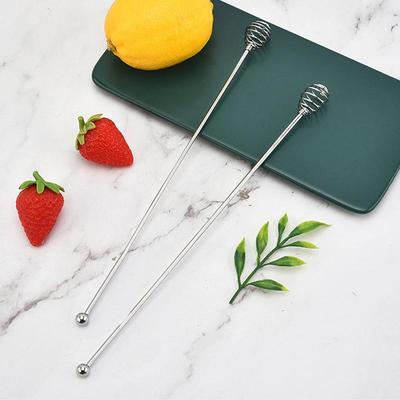
Youfap Market Stainless Steel Bartender Mixing Spoon, Elegant Cocktail Stirrer For Bar & Home Use Stainless Steel Bartender Mixing Spoon, Elegant Cocktail Stirrer For Bar & Home UseEnhance your bartending experience with the Stainless Steel Bartender Mixing Spoon, the perfect tool for creating smooth and expertly blended drinks. Designed for both professional bartenders and athome enthusiasts, this multifunctional stirrer adds...27,97 $*Shipping: 0,00 $Secure redirect to the provider
-
What is the difference between reflection and scattering?
Reflection occurs when light bounces off a surface at the same angle it hits it, resulting in a clear image. Scattering, on the other hand, occurs when light is dispersed in different directions by particles or irregularities in a medium, resulting in a diffuse or hazy appearance. In reflection, the light maintains its original intensity and color, while in scattering, the light may lose intensity and change color due to the interaction with the medium. **
-
What causes the photoelectric effect: absorption or scattering?
The photoelectric effect is caused by absorption of photons by electrons in a material, rather than scattering. When a photon with sufficient energy is absorbed by an electron in a material, it can transfer enough energy to the electron to liberate it from the material, causing the photoelectric effect. Scattering, on the other hand, involves the redirection of photons by particles in a material, but it does not result in the ejection of electrons from the material. **
-
Can you repeat the Rutherford scattering experiment in physics?
Yes, the Rutherford scattering experiment can be repeated in physics. The experiment involves firing alpha particles at a thin gold foil and observing their scattering patterns. This experiment can be replicated using modern equipment and techniques to study the behavior of alpha particles and the structure of the atom. By using more advanced detectors and data analysis methods, scientists can continue to explore the fundamental principles of atomic structure and the behavior of subatomic particles. **
-
Why is the Rutherford experiment called the scattering experiment?
The Rutherford experiment is called the scattering experiment because it involved firing alpha particles at a thin gold foil and observing how they scattered after hitting the foil. This scattering of alpha particles provided crucial evidence for the existence of a small, dense nucleus within the atom, as most of the alpha particles passed through the foil with little deflection, but a small fraction were scattered at large angles. This unexpected scattering pattern led to the development of the nuclear model of the atom and revolutionized our understanding of atomic structure. **
* All prices are inclusive of VAT and, if applicable, plus shipping costs. The offer information is based on the details provided by the respective shop and is updated through automated processes. Real-time updates do not occur, so deviations can occur in individual cases. ** Note: Parts of this content were created by AI.