Buy casinojobs.eu ?
We are moving the project
casinojobs.eu .
Are you interested in purchasing the domain
casinojobs.eu ?
domain@kv-gmbh.de · 0541-91531010
Buy casinojobs.eu ?
What are trophic levels and trophic structures?
Trophic levels refer to the hierarchical levels in an ecosystem through which energy and nutrients flow. They represent the feeding positions of different organisms in a food chain or food web. Trophic structures, on the other hand, describe the organization of these trophic levels within an ecosystem. This includes the distribution of energy and nutrients among different organisms, as well as the interactions and relationships between them. Overall, trophic levels and trophic structures are important concepts for understanding the flow of energy and nutrients in ecosystems and the dynamics of food chains and food webs. **
Are trophic levels and trophic levels the same in biology?
No, trophic levels and trophic levels are not the same in biology. Trophic levels refer to the hierarchical levels in an ecosystem based on an organism's position in the food chain, such as producers, primary consumers, secondary consumers, etc. On the other hand, trophic cascades are the indirect effects that occur when a change in one trophic level impacts other trophic levels in the ecosystem. Both concepts are important in understanding the dynamics of energy flow and interactions within ecosystems. **


Similar search terms for Trophic
Top-Angebote
Products related to Trophic:
-
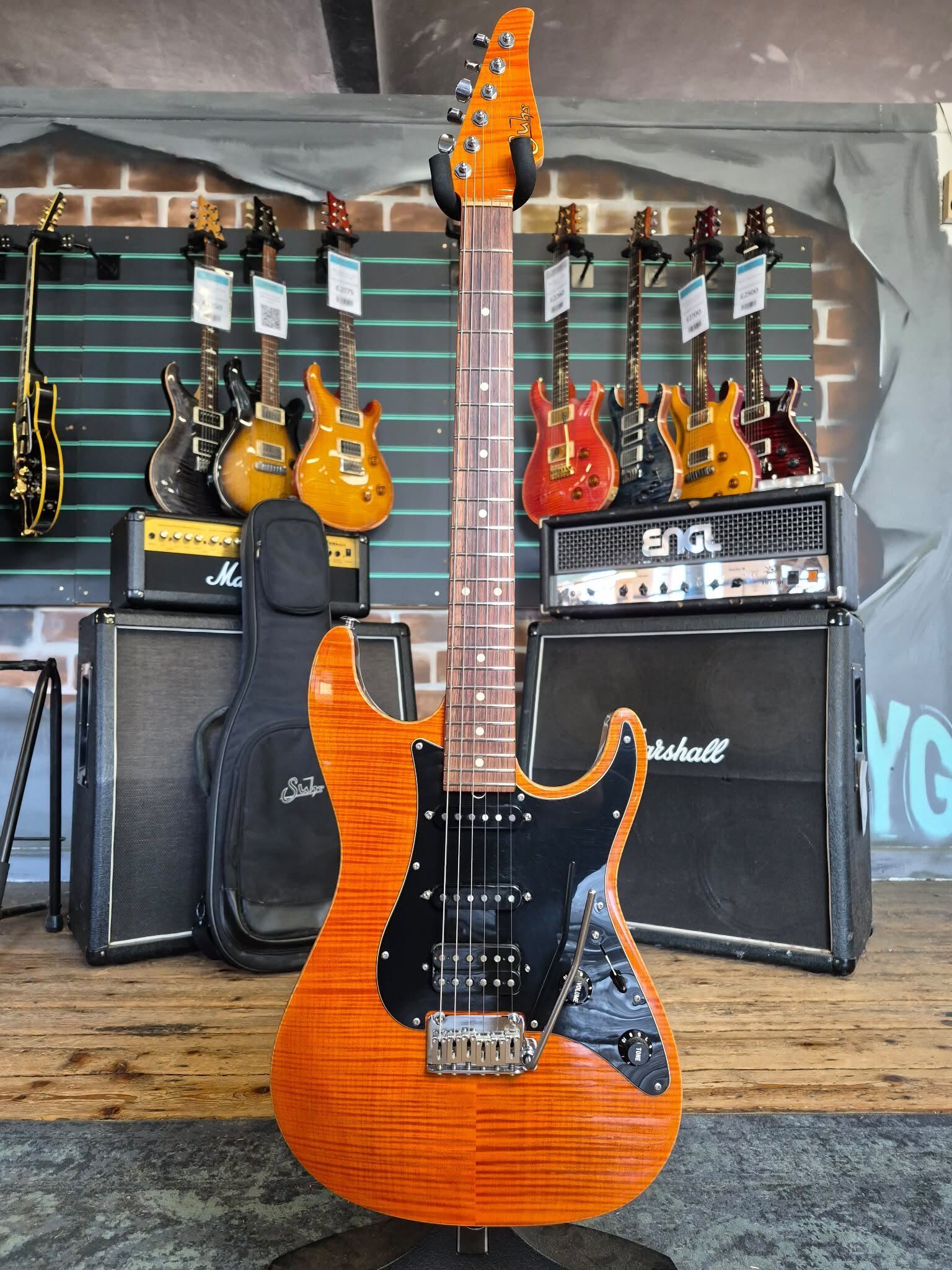
Suhr Pro Series S3 Dealer Select GG Orange 2011 Electric Guitar orange - RefurbishedThis is a Suhr Pro Series S3 Dealer Select electric guitar in Custom GG Orange finish with matching headstock. Suhr guitars are the work of John Suhr, who started his career as a guitar technician at Rudy's Music Stop in NYC. He began building guitars in 1974; creating Mark Knopfler's famous signature model under the Pensa-Suhr name in 1984. Made in the USA, this guitar is a custom order of 3 of 5 guitars that were commissioned by Guitar Guitar, features include a bolt-on construction comprising a Basswood body with a Flamed Maple top, Maple neck and a 22 Stainless Steel fret Indian Rosewood fingerboard. This guitar is equipped with Chrome hardware including a Gotoh 510 2-Post tremolo bridge with Steel Block Saddles, a Tusq nut and a set of Sperzel locking tuning machines. The pickups are installed in an HSS configuration, with a Suhr Aldrich humbucker in the bridge and a pair of Suhr JST ML/Mike Landau single-coils in the neck & middle positions. These are wired to a 5-way selector switch, master volume and a master tone control. The Maple neck sits comfortably in the hand, with the Even Slim ‘C’ profile feeling slender, whilst the Satin finish which has been lightly polished to a Gloss to the rear of the neck provides a comfortable, smooth and articulate playing experience up and down the neck. The Maple fingerboard is pleasant to the touch, and with its 10"-14" compound radius and Jumbo Stainless Steel frets assist with string bends and vibrato techniques, delivering a tailored ‘modern’’ playing experience in any position, whilst offering a nice balance between comfortable chord playing and practicality for quick lead lines. The double cutaway body design allows for great access to the instruments highest frets, allowing the player to make the most of the entire register. The Suhr JST ML/Mike Landau single-coils pickups deliver quintessential ‘Strat’ sounds with a dash of Suhr's signature refinement. They sound sparkly with a hint of darkness, whilst retaining clarity with each note. The Suhr Aldrich humbucker in the bridge provides a bright & snappy tone without sounding at all brittle or harsh, and with a hot output can drive your amp into a searing overdrive tone for rock rhythm parts. However, with subtler amp settings the bridge offers a glassy clean tone. The middle position provides bright trebles and full warm bass, and lends itself well to rhythm tones. The neck pickup offers a smooth, warm, rounded tone that handles distorted tones as well as it handles clean tones. The simplistic controls offer the player a great platform that is ready for whatever is thrown at it.2490,00 £*Shipping: 0,00 £Secure redirect to the provider
-
SAMSUNG HG43U800FEU HU8000F Series - 43" LED-backlit LCD TV - Crystal UHD - 4K - for hotel / hospitalitySamsung HG43U800FEU - 43" Diagonal Class HU8000F Series LED-backlit LCD TV - Crystal UHD - hotel / hospitality - Tizen Enterprise - 4K UHD (2160p) 3840 x 2160 - HDR - black468,99 £*Shipping: 0,00 £Secure redirect to the provider
-
SAMSUNG HG50U800FEU HU8000F Series - 50" LED-backlit LCD TV - Crystal UHD - 4K - for hotel / hospitalitySamsung HG50U800FEU - 50" Diagonal Class HU8000F Series LED-backlit LCD TV - Crystal UHD - hotel / hospitality - Tizen Enterprise - 4K UHD (2160p) 3840 x 2160 - HDR - black588,99 £*Shipping: 0,00 £Secure redirect to the provider


-
Are trophic levels and trophic levels the same thing in biology?
No, "trophic levels" and "trophic levels" are not the same thing in biology. "Trophic levels" refer to the hierarchical levels in an ecosystem based on an organism's position in the food chain, such as producers, primary consumers, secondary consumers, and so on. On the other hand, "trophic levels" appears to be a typographical error or a repetition of the term "trophic levels." In biology, it is important to use accurate and specific terminology to avoid confusion and miscommunication. **
-
Why do organisms become larger from trophic level to trophic level?
Organisms become larger from trophic level to trophic level due to the efficiency of energy transfer in ecosystems. As energy is transferred from one trophic level to the next, there is a loss of energy in the form of heat and metabolic processes. Larger organisms are able to consume more energy-rich food sources and have a more efficient metabolism, allowing them to grow in size as they move up the food chain. Additionally, larger organisms are better equipped to capture and consume prey, giving them a competitive advantage in obtaining energy and resources. **
-
Why do organisms get larger from trophic level to trophic level?
Organisms tend to get larger from one trophic level to the next because as energy is transferred up the food chain, there is a loss of energy at each level. This means that organisms at higher trophic levels need to consume larger quantities of organisms from lower trophic levels to obtain enough energy to sustain themselves. Additionally, larger organisms are more efficient at capturing and consuming prey, allowing them to thrive at higher trophic levels. Finally, larger organisms have a lower surface area to volume ratio, which helps them retain heat and energy more effectively. **
-
Why does the biomass decrease from trophic level to trophic level?
Biomass decreases from trophic level to trophic level because energy is lost as it moves through the food chain. Organisms at each trophic level use some of the energy they consume for their own metabolic processes, such as respiration and movement, and the rest is lost as heat. This means that there is less energy available to be passed on to the next trophic level, resulting in a decrease in biomass. Additionally, not all of the energy from one trophic level is consumed by the next level, as some is lost through waste and uneaten parts of organisms. **
What are trophic levels in biology?
Trophic levels in biology refer to the hierarchical levels in an ecosystem where organisms are grouped based on their feeding relationships. The primary producers, such as plants, are at the base of the trophic levels as they convert sunlight into energy through photosynthesis. Herbivores that feed on plants are at the next level, followed by carnivores that eat herbivores. Each trophic level represents a transfer of energy and nutrients through the ecosystem, with energy decreasing as it moves up the levels. **
What is the trophic level of omnivores?
Omnivores are organisms that consume both plants and animals, so their trophic level can vary. When they consume plants, they are considered primary consumers (herbivores) and when they consume animals, they are considered secondary consumers (carnivores). This means that omnivores can occupy multiple trophic levels within a food web, depending on their diet. **
Top-Angebote
Products related to Trophic:
-
SAMSUNG HU7000F Hospitality 4K Crystal UHD Smart TV HG43U700FEU Black - 43"Samsung HG43U700FEU - 43" Diagonal Class HU7000F Series LED-backlit LCD TV - Crystal UHD - hotel / hospitality - Tizen Enterprise - 4K UHD (2160p) 3840 x 2160 - HDR - black392,49 £*Shipping: 0,00 £Secure redirect to the provider
-
J.Cat Beauty House of Queens eyeshadow palette shade 104 Diamond Dealer 12.5 gJ.Cat Beauty House of Queens, 12.5 g, Eyeshadow Palettes for Women, Do you want to enhance your look, contour your eyes and accentuate their beauty? The J.Cat Beauty House of Queens eye makeup palette opens up possibilities for creating a wide variety of eye looks. It contains not one but several pressed eyeshadows, which complement each other ideally and can therefore be combined perfectly to create various looks – from subtle daytime to bold evening makeup. Each shade provides even pigment coverage and is easy to apply, blend or mix with other shadows without creating unwanted harsh transitions. Characteristics: create natural eye makeup long-lasting washes out easily shades can be combined easily shimmering and matte effect for day and evening makeup Ingredients: mirror How to use: Apply shadows to the eyelids with a brush, foam applicator or fingertips.8,59 £*Shipping: 3,99 £Secure redirect to the provider
-
Suhr Pro Series S3 Dealer Select GG Orange 2011 Electric Guitar orange - RefurbishedThis is a Suhr Pro Series S3 Dealer Select electric guitar in Custom GG Orange finish with matching headstock. Suhr guitars are the work of John Suhr, who started his career as a guitar technician at Rudy's Music Stop in NYC. He began building guitars in 1974; creating Mark Knopfler's famous signature model under the Pensa-Suhr name in 1984. Made in the USA, this guitar is a custom order of 3 of 5 guitars that were commissioned by Guitar Guitar, features include a bolt-on construction comprising a Basswood body with a Flamed Maple top, Maple neck and a 22 Stainless Steel fret Indian Rosewood fingerboard. This guitar is equipped with Chrome hardware including a Gotoh 510 2-Post tremolo bridge with Steel Block Saddles, a Tusq nut and a set of Sperzel locking tuning machines. The pickups are installed in an HSS configuration, with a Suhr Aldrich humbucker in the bridge and a pair of Suhr JST ML/Mike Landau single-coils in the neck & middle positions. These are wired to a 5-way selector switch, master volume and a master tone control. The Maple neck sits comfortably in the hand, with the Even Slim ‘C’ profile feeling slender, whilst the Satin finish which has been lightly polished to a Gloss to the rear of the neck provides a comfortable, smooth and articulate playing experience up and down the neck. The Maple fingerboard is pleasant to the touch, and with its 10"-14" compound radius and Jumbo Stainless Steel frets assist with string bends and vibrato techniques, delivering a tailored ‘modern’’ playing experience in any position, whilst offering a nice balance between comfortable chord playing and practicality for quick lead lines. The double cutaway body design allows for great access to the instruments highest frets, allowing the player to make the most of the entire register. The Suhr JST ML/Mike Landau single-coils pickups deliver quintessential ‘Strat’ sounds with a dash of Suhr's signature refinement. They sound sparkly with a hint of darkness, whilst retaining clarity with each note. The Suhr Aldrich humbucker in the bridge provides a bright & snappy tone without sounding at all brittle or harsh, and with a hot output can drive your amp into a searing overdrive tone for rock rhythm parts. However, with subtler amp settings the bridge offers a glassy clean tone. The middle position provides bright trebles and full warm bass, and lends itself well to rhythm tones. The neck pickup offers a smooth, warm, rounded tone that handles distorted tones as well as it handles clean tones. The simplistic controls offer the player a great platform that is ready for whatever is thrown at it.2490,00 £*Shipping: 0,00 £Secure redirect to the provider
-
SAMSUNG HG43U800FEU HU8000F Series - 43" LED-backlit LCD TV - Crystal UHD - 4K - for hotel / hospitalitySamsung HG43U800FEU - 43" Diagonal Class HU8000F Series LED-backlit LCD TV - Crystal UHD - hotel / hospitality - Tizen Enterprise - 4K UHD (2160p) 3840 x 2160 - HDR - black468,99 £*Shipping: 0,00 £Secure redirect to the provider
-
What are trophic levels and trophic structures?
Trophic levels refer to the hierarchical levels in an ecosystem through which energy and nutrients flow. They represent the feeding positions of different organisms in a food chain or food web. Trophic structures, on the other hand, describe the organization of these trophic levels within an ecosystem. This includes the distribution of energy and nutrients among different organisms, as well as the interactions and relationships between them. Overall, trophic levels and trophic structures are important concepts for understanding the flow of energy and nutrients in ecosystems and the dynamics of food chains and food webs. **
-
Are trophic levels and trophic levels the same in biology?
No, trophic levels and trophic levels are not the same in biology. Trophic levels refer to the hierarchical levels in an ecosystem based on an organism's position in the food chain, such as producers, primary consumers, secondary consumers, etc. On the other hand, trophic cascades are the indirect effects that occur when a change in one trophic level impacts other trophic levels in the ecosystem. Both concepts are important in understanding the dynamics of energy flow and interactions within ecosystems. **
-
Are trophic levels and trophic levels the same thing in biology?
No, "trophic levels" and "trophic levels" are not the same thing in biology. "Trophic levels" refer to the hierarchical levels in an ecosystem based on an organism's position in the food chain, such as producers, primary consumers, secondary consumers, and so on. On the other hand, "trophic levels" appears to be a typographical error or a repetition of the term "trophic levels." In biology, it is important to use accurate and specific terminology to avoid confusion and miscommunication. **
-
Why do organisms become larger from trophic level to trophic level?
Organisms become larger from trophic level to trophic level due to the efficiency of energy transfer in ecosystems. As energy is transferred from one trophic level to the next, there is a loss of energy in the form of heat and metabolic processes. Larger organisms are able to consume more energy-rich food sources and have a more efficient metabolism, allowing them to grow in size as they move up the food chain. Additionally, larger organisms are better equipped to capture and consume prey, giving them a competitive advantage in obtaining energy and resources. **
Similar search terms for Trophic
-
SAMSUNG HG50U800FEU HU8000F Series - 50" LED-backlit LCD TV - Crystal UHD - 4K - for hotel / hospitalitySamsung HG50U800FEU - 50" Diagonal Class HU8000F Series LED-backlit LCD TV - Crystal UHD - hotel / hospitality - Tizen Enterprise - 4K UHD (2160p) 3840 x 2160 - HDR - black588,99 £*Shipping: 0,00 £Secure redirect to the provider
-
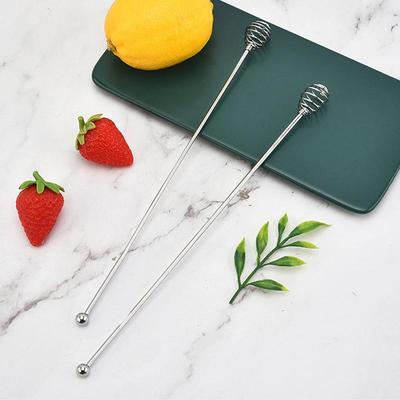
Youfap Market Stainless Steel Bartender Mixing Spoon, Elegant Cocktail Stirrer For Bar & Home Use Stainless Steel Bartender Mixing Spoon, Elegant Cocktail Stirrer For Bar & Home UseEnhance your bartending experience with the Stainless Steel Bartender Mixing Spoon, the perfect tool for creating smooth and expertly blended drinks. Designed for both professional bartenders and athome enthusiasts, this multifunctional stirrer adds...27,97 $*Shipping: 0,00 $Secure redirect to the provider
-
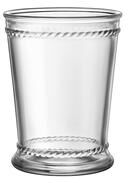
Bormioli Rocco Bartender 12.25 Ounce Julep Cocktail Glasses, Set of 6Discover the art of mixology with Bormioli Rocco's Bartender Collection, the perfect choice for transforming your rum and tropical fruit cocktails into unforgettable works of art.35,69 $*Shipping: 0,00 $Secure redirect to the provider
-
Why do organisms get larger from trophic level to trophic level?
Organisms tend to get larger from one trophic level to the next because as energy is transferred up the food chain, there is a loss of energy at each level. This means that organisms at higher trophic levels need to consume larger quantities of organisms from lower trophic levels to obtain enough energy to sustain themselves. Additionally, larger organisms are more efficient at capturing and consuming prey, allowing them to thrive at higher trophic levels. Finally, larger organisms have a lower surface area to volume ratio, which helps them retain heat and energy more effectively. **
-
Why does the biomass decrease from trophic level to trophic level?
Biomass decreases from trophic level to trophic level because energy is lost as it moves through the food chain. Organisms at each trophic level use some of the energy they consume for their own metabolic processes, such as respiration and movement, and the rest is lost as heat. This means that there is less energy available to be passed on to the next trophic level, resulting in a decrease in biomass. Additionally, not all of the energy from one trophic level is consumed by the next level, as some is lost through waste and uneaten parts of organisms. **
-
What are trophic levels in biology?
Trophic levels in biology refer to the hierarchical levels in an ecosystem where organisms are grouped based on their feeding relationships. The primary producers, such as plants, are at the base of the trophic levels as they convert sunlight into energy through photosynthesis. Herbivores that feed on plants are at the next level, followed by carnivores that eat herbivores. Each trophic level represents a transfer of energy and nutrients through the ecosystem, with energy decreasing as it moves up the levels. **
-
What is the trophic level of omnivores?
Omnivores are organisms that consume both plants and animals, so their trophic level can vary. When they consume plants, they are considered primary consumers (herbivores) and when they consume animals, they are considered secondary consumers (carnivores). This means that omnivores can occupy multiple trophic levels within a food web, depending on their diet. **
* All prices are inclusive of VAT and, if applicable, plus shipping costs. The offer information is based on the details provided by the respective shop and is updated through automated processes. Real-time updates do not occur, so deviations can occur in individual cases. ** Note: Parts of this content were created by AI.