Buy casinojobs.eu ?
We are moving the project
casinojobs.eu .
Are you interested in purchasing the domain
casinojobs.eu ?
domain@kv-gmbh.de · 0541-91531010
Buy casinojobs.eu ?
What does 'using namespace std' stand for?
'using namespace std' is a directive in C++ that allows the programmer to use names from the standard C++ library without specifying the namespace each time. This means that you can directly use functions and objects from the standard library without having to prefix them with 'std::'. It can make the code more concise and readable, but it may also lead to naming conflicts if multiple libraries are used. **
What does using namespace std stand for?
Using namespace std stands for using the standard namespace in C++. It allows you to access standard C++ library functions and objects without having to prefix them with "std::". This can make your code cleaner and easier to read. However, it is generally considered a bad practice to use "using namespace std" in header files or large projects, as it can lead to naming conflicts. **
Similar search terms for Std
Top-Angebote
Products related to Std:
-
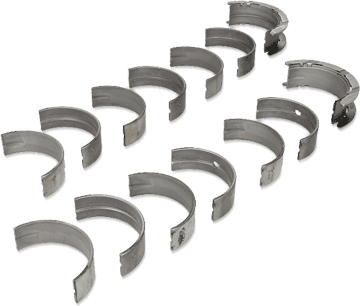
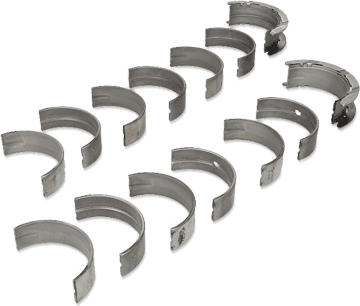
GLYCO H1092/5 STD Crankshaft bearingSupplementary Article / Supplementary Info Info 2: Aluminium alloy on steel base; Component Number: 04-4076, 4276RA; Standard Size [STD]: ; Position/Degree: 1-5, 3; Chemical Properties: Unleaded; TecDoc Engine Number: 20928, 31896, 33162, 31895, 32779, 31898, 20248, 24595, 21046, 25192, 24587, 1037, 1038, 1032, 1076, 15501, 1839, 24589, 23572, 24794, 10188, 16737, 9727, 11849, 20274, 18571, 17978, 24955, 20952, 26443, 24997, 24641, 24630, 24633, 25005, 21045, 11807, 26417, 26994, 28633, 12790, 12791, 24631, 23921, 21040, 15500, 15828, 20237, 17979, 20242, 20929, 18895, 39818, 33163, 20277, 31897, 20664, 20665, 23577, 23576, 21041, 23447, 21700, 23448, 24408, 34922, 23452, 24580, 24588, 24940, 23920, 28632, 24229, 24650, 26416, 29563, 26555, 26558, 26559, 26903, 28883, 28716, 29691, 31580, 34804, 34806, 29570, 33530, 32746, 33078, 31785, 31786, 33164, 33687, 35088, 33597, 34279, 21036, 33443, 34654, 34805, 46592; Construction Year from: 10/200019,99 £*Shipping: 8,45 £Secure redirect to the provider
-
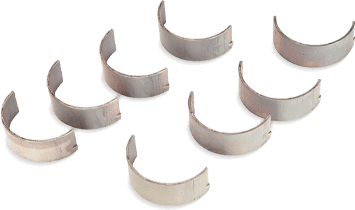
FAI AutoParts BM1037-STD Crankshaft bearingWidth [mm]: 19,5; Outer Diameter [mm]: 62; Thickness: 1,981; for housing diameter from [mm]: 62; for housing diameter up to [mm]: 62,02; for shaft diameter from [mm]: 57,98; Standard Size [STD]: ; for shaft diameters up to [mm]: 58,01; Engine Code: 16 D, 16 SH, 18 E, S 18 NV, E 18 NV, C 18 NE, 20 NE, 20 SEH, 17 D, C 18 NZ, C 18 NT, 20 SE, 18 SV, C 20 NEF, E 18 NVR, C 20 LET, 18 N, 18 S, C 18 NV, 18 NV, 18 SEH, C 20 NEJ, C 20 NE, C 20 XE, 17 DR, C 18 XE, X 20 SE, X 20 XEV, C20LE, C18LE, X 22 XE, 16 DA, 18 SE, 20 NEJ, 20 XE, C 18 XEL, X 18 XE, C 20 SEL, 16 N, X 20 SED, Y 22 SE, X 22 SE, X 17 DTL, C 18 SEL, C20LZ, C20SED, C 20 NED, C 18 YE, C 20 SED; TecDoc Engine Number: 4739, 4749, 4734, 17891, 4812, 4790, 4753, 4754, 4759, 4763, 4801, 4735, 4742, 4791, 4793, 4755, 4799, 5281, 5270, 4813, 4798, 4750, 4752, 4792, 4751, 2651, 4800, 4744, 4795, 2736, 2737, 25435, 4823, 4796, 4301, 4300, 4827, 15968, 17564, 17563, 17568, 17601, 17604, 17574, 17605, 17566, 17610, 17611, 17636, 17584, 17585, 17603, 22867, 17588, 17570, 17573, 17637, 17571, 17594, 17602, 22865, 17612, 22866, 17593, 17628, 17625, 9504, 15093, 15849, 17918, 17930, 17591, 17567, 4765, 22868, 18847, 22052, 4761, 19840, 21444, 19841, 32211, 19856, 18531, 412, 26850, 26851, 29549; Construction Year to: 09/1985, 08/1987, 12/1988, 02/1996, 01/1998, 09/1992, 01/1989, 08/2000; Construction Year from: 09/1985, 01/1988, 03/1996, 08/2000, 07/199230,49 £*Shipping: 8,45 £Secure redirect to the provider


-
What does STD, ETD mean at the airport?
STD stands for Scheduled Time of Departure, which is the expected time that a flight is scheduled to depart from the airport. ETD stands for Estimated Time of Departure, which is the updated or revised time that a flight is expected to depart, taking into account any delays or changes in the schedule. These terms are used by airlines and airport staff to communicate the departure times of flights to passengers and other personnel. **
-
How can I output a std::string in a RichTextBox?
To output a std::string in a RichTextBox in C++, you can use the following steps: 1. Convert the std::string to a System::String^ using the marshal_as function from the msclr/marshal.h header file. 2. Once you have the System::String^, you can use the AppendText method of the RichTextBox control to append the string to the RichTextBox. Here's an example of how you can achieve this: ```cpp #include <msclr/marshal.h> using namespace System; using namespace System::Windows::Forms; using namespace msclr::interop; // Assuming richTextBox1 is the name of your RichTextBox control std::string myString = "Hello, world!"; System::String^ managedString = marshal_as<System::String^>(myString); richTextBox1->AppendText(managedString); ``` By following these steps, you can easily output a std::string in a RichTextBox in C++. **
-
What does using namespace std do in a C++ program exactly?
Using "namespace std" in a C++ program allows us to access the standard C++ library, which contains a variety of functions, classes, and objects that are commonly used in C++ programming. By using this namespace, we can avoid having to prefix standard library elements with "std::" every time we use them, making our code more concise and readable. However, it is generally considered a good practice to avoid using "using namespace std" in larger programs, as it can lead to naming conflicts and make the code harder to maintain. **
-
How can you convert a C++ std::string to a char?
You can convert a C++ std::string to a char array by using the c_str() method of the std::string class. This method returns a pointer to a null-terminated array of characters representing the string's contents. You can then use this pointer to access the characters of the string as a char array. Keep in mind that the char array returned by c_str() is read-only and should not be modified. **
Which is better, the Fender Mexico Std Strat or the Yamaha Pacifica?
The answer to this question ultimately depends on personal preference and what you are looking for in a guitar. The Fender Mexico Std Strat is known for its classic Stratocaster sound and feel, while the Yamaha Pacifica is known for its versatility and value for money. The Fender Mexico Std Strat may be better for those seeking a traditional Stratocaster sound and feel, while the Yamaha Pacifica may be better for those looking for a versatile and affordable option. It's important to try both guitars out and consider your own playing style and preferences before making a decision. **
How can I truncate a std::string in C++ from a specific character?
You can use the `find` function to locate the specific character in the `std::string`, and then use the `substr` function to truncate the string from that position. For example, if you want to truncate the string from the first occurrence of a specific character 'c', you can use the following code: ```cpp std::string originalString = "Hello, World!"; size_t pos = originalString.find('c'); if (pos != std::string::npos) { std::string truncatedString = originalString.substr(0, pos); // truncatedString will now contain "Hello, World" } ``` This code first finds the position of the character 'c' using the `find` function, and then uses the `substr` function to extract the substring from the beginning of the original string to the position of the character 'c'. **
Top-Angebote
Products related to Std:
-
ENGITECH ENT074002 STD Big End Bearingsfor wall thickness from [mm]: 1,497; for shaft diameter from [mm]: 42,971; for shaft diameter to [mm]: 42,987; for housing diameter from [mm]: 46; for housing diameter up to [mm]: 46,012; Width from [mm]: 16,6; TecDoc Engine Number: 17626, 18730, 14923, 14920, 17892, 2733, 20060, 4820, 4780, 4718, 4787, 16394, 26188, 17893, 4722, 4781, 4724, 4726, 4728, 4782, 4783, 4788, 4811, 4723, 4725, 4810, 4740, 2734, 22587, 31851, 4785, 5308, 17558, 17561, 14828, 4819, 2732, 8405, 4789, 2735, 742, 5490, 13688, 17894, 9509, 17583, 17618, 17623, 39497, 17608, 17562, 4784, 25784, 22591, 17590, 17589, 17624, 21179, 4736, 17937, 22874, 17631, 17939, 25517, 22592, 25168, 21110, 14922, 17633, 15089, 17632, 4730, 16169, 4719, 16393, 23720, 21875, 18079, 18838, 29516, 22588, 21873, 35047, 32833, 24742, 32196, 26892, 25706, 29609, 32386; Construction Year from: 01/1990, 09/1992, 03/1979, 02/1998; Construction Year to: 12/1992, 08/1986, 08/1989, 08/19946,99 £*Shipping: 8,45 £Secure redirect to the provider
-
What does 'using namespace std' stand for?
'using namespace std' is a directive in C++ that allows the programmer to use names from the standard C++ library without specifying the namespace each time. This means that you can directly use functions and objects from the standard library without having to prefix them with 'std::'. It can make the code more concise and readable, but it may also lead to naming conflicts if multiple libraries are used. **
-
What does using namespace std stand for?
Using namespace std stands for using the standard namespace in C++. It allows you to access standard C++ library functions and objects without having to prefix them with "std::". This can make your code cleaner and easier to read. However, it is generally considered a bad practice to use "using namespace std" in header files or large projects, as it can lead to naming conflicts. **
-
What does STD, ETD mean at the airport?
STD stands for Scheduled Time of Departure, which is the expected time that a flight is scheduled to depart from the airport. ETD stands for Estimated Time of Departure, which is the updated or revised time that a flight is expected to depart, taking into account any delays or changes in the schedule. These terms are used by airlines and airport staff to communicate the departure times of flights to passengers and other personnel. **
-
How can I output a std::string in a RichTextBox?
To output a std::string in a RichTextBox in C++, you can use the following steps: 1. Convert the std::string to a System::String^ using the marshal_as function from the msclr/marshal.h header file. 2. Once you have the System::String^, you can use the AppendText method of the RichTextBox control to append the string to the RichTextBox. Here's an example of how you can achieve this: ```cpp #include <msclr/marshal.h> using namespace System; using namespace System::Windows::Forms; using namespace msclr::interop; // Assuming richTextBox1 is the name of your RichTextBox control std::string myString = "Hello, world!"; System::String^ managedString = marshal_as<System::String^>(myString); richTextBox1->AppendText(managedString); ``` By following these steps, you can easily output a std::string in a RichTextBox in C++. **
Similar search terms for Std
-
GLYCO H1092/5 STD Crankshaft bearingSupplementary Article / Supplementary Info Info 2: Aluminium alloy on steel base; Component Number: 04-4076, 4276RA; Standard Size [STD]: ; Position/Degree: 1-5, 3; Chemical Properties: Unleaded; TecDoc Engine Number: 20928, 31896, 33162, 31895, 32779, 31898, 20248, 24595, 21046, 25192, 24587, 1037, 1038, 1032, 1076, 15501, 1839, 24589, 23572, 24794, 10188, 16737, 9727, 11849, 20274, 18571, 17978, 24955, 20952, 26443, 24997, 24641, 24630, 24633, 25005, 21045, 11807, 26417, 26994, 28633, 12790, 12791, 24631, 23921, 21040, 15500, 15828, 20237, 17979, 20242, 20929, 18895, 39818, 33163, 20277, 31897, 20664, 20665, 23577, 23576, 21041, 23447, 21700, 23448, 24408, 34922, 23452, 24580, 24588, 24940, 23920, 28632, 24229, 24650, 26416, 29563, 26555, 26558, 26559, 26903, 28883, 28716, 29691, 31580, 34804, 34806, 29570, 33530, 32746, 33078, 31785, 31786, 33164, 33687, 35088, 33597, 34279, 21036, 33443, 34654, 34805, 46592; Construction Year from: 10/200019,99 £*Shipping: 8,45 £Secure redirect to the provider
-
FAI AutoParts BM1037-STD Crankshaft bearingWidth [mm]: 19,5; Outer Diameter [mm]: 62; Thickness: 1,981; for housing diameter from [mm]: 62; for housing diameter up to [mm]: 62,02; for shaft diameter from [mm]: 57,98; Standard Size [STD]: ; for shaft diameters up to [mm]: 58,01; Engine Code: 16 D, 16 SH, 18 E, S 18 NV, E 18 NV, C 18 NE, 20 NE, 20 SEH, 17 D, C 18 NZ, C 18 NT, 20 SE, 18 SV, C 20 NEF, E 18 NVR, C 20 LET, 18 N, 18 S, C 18 NV, 18 NV, 18 SEH, C 20 NEJ, C 20 NE, C 20 XE, 17 DR, C 18 XE, X 20 SE, X 20 XEV, C20LE, C18LE, X 22 XE, 16 DA, 18 SE, 20 NEJ, 20 XE, C 18 XEL, X 18 XE, C 20 SEL, 16 N, X 20 SED, Y 22 SE, X 22 SE, X 17 DTL, C 18 SEL, C20LZ, C20SED, C 20 NED, C 18 YE, C 20 SED; TecDoc Engine Number: 4739, 4749, 4734, 17891, 4812, 4790, 4753, 4754, 4759, 4763, 4801, 4735, 4742, 4791, 4793, 4755, 4799, 5281, 5270, 4813, 4798, 4750, 4752, 4792, 4751, 2651, 4800, 4744, 4795, 2736, 2737, 25435, 4823, 4796, 4301, 4300, 4827, 15968, 17564, 17563, 17568, 17601, 17604, 17574, 17605, 17566, 17610, 17611, 17636, 17584, 17585, 17603, 22867, 17588, 17570, 17573, 17637, 17571, 17594, 17602, 22865, 17612, 22866, 17593, 17628, 17625, 9504, 15093, 15849, 17918, 17930, 17591, 17567, 4765, 22868, 18847, 22052, 4761, 19840, 21444, 19841, 32211, 19856, 18531, 412, 26850, 26851, 29549; Construction Year to: 09/1985, 08/1987, 12/1988, 02/1996, 01/1998, 09/1992, 01/1989, 08/2000; Construction Year from: 09/1985, 01/1988, 03/1996, 08/2000, 07/199230,49 £*Shipping: 8,45 £Secure redirect to the provider
-
FAI AutoParts BM1041-STD Crankshaft bearingAdditionally required article (article number): BT3013; Width [mm]: 18,4; Outer Diameter [mm]: 58,7; Thickness: 1,945; for housing diameter from [mm]: 58,72; for housing diameter up to [mm]: 58,74; for shaft diameter from [mm]: 54,78; Standard Size [STD]: ; for shaft diameters up to [mm]: 54,8; Construction Year from: 01/1998, 03/1998, 08/1995, 06/1994; TecDoc Engine Number: 21252, 3291, 3298, 3299, 4869, 3267, 3269, 3270, 3271, 3275, 3276, 3272, 5523, 3273, 16544, 5510, 3281, 22185, 5541, 5542, 16357, 4865, 16348, 18295, 4867, 26242, 16352, 4870, 20051, 16278, 4866, 16350, 16351, 20050, 20052, 16271, 18494, 16177, 16178, 16372, 16373, 16374, 18290, 11427, 11428, 16354, 20390, 16353, 9625, 17431, 9626, 16190, 16191, 21136, 21359, 21361, 16189, 16216, 21255, 23895, 3289, 16306, 16307, 16305, 21358, 21360, 9690, 20904, 26765, 24107, 16192, 16475, 16340, 16355, 16356, 21214, 21215, 19216, 21905, 13311, 14334, 21213, 16339, 16358, 17498, 16341, 20725, 18558, 21211, 17028, 21223, 21224, 21225, 18273, 19374, 15688, 18691, 16529, 16359, 16360, 18872, 16347, 16363, 21137, 16361, 16369, 21228, 21139, 21148, 19375, 18194, 16478, 16480, 16217, 18272, 18274, 16220, 16221, 16286, 16376, 18252, 23125, 16304, 19370, 19352, 16533, 20841, 17059, 17060, 17061, 16535, 19378, 19376, 19377, 20991, 20980, 21197, 18286, 18287, 18288, 18276, 18278, 18279, 18280, 18281, 18282, 20392, 18301, 31671, 19676, 20906, 19677, 21147, 18283, 18284, 21216, 19678, 19668, 19679, 21220, 23891, 20391, 20973, 22184, 19683, 23547, 25639, 21037, 19712, 33024, 17057, 20049, 18885, 23555, 23617, 21138, 24972, 19351; Engine Code: F8Q 774, F8Q 646, F8Q 730, F3R 723, F3R 722, F9Q 818, F4R 872, F9Q 762, F8Q 630, F8Q 606, F8Q 600, F4P 760, F4P 770, F4R 700, F4R 701, F9Q 722, F8Q 790, F8Q 622, F9Q 736, F9Q 731, F3R 750, F3R 798, F3R 797, F3R 791, F3R 752, F3R 796, F3R 751, F3R 611, F9Q 718, F4R 780, F4R 747, F4R 740, F4R 741, F4R 744, F4R 720, F4R 820, F5R 740, F4R 730, F4R 736, F9Q 780, F9Q 782, F4R 746, F9Q 740, F9Q 734, F9Q1, F9Q2, F4P 772, F9Q 750, F9Q 674, F9Q 670, F9Q 650, F4P 774, F9Q 770, F9Q 760, F4R 722, F9Q 732, F9Q 733, F9Q 738, F9Q 744, F5R 701, F5R 700, F9Q 752, F4R 761, F4R 760, F4P 773, F4P 775, F4P 771, F4P 722, F4P 720, F4R 763, F4R 762, F9Q 774, F9Q 772, F9Q 790, F4R 770, F9Q 754, F4R 797, F4R 794, F4R 795, F9Q 800, F4R 792, F9Q 820, F9Q 680, F9Q 826, F4R 712, F4R 713, F4R 714, F4R 715, F4R 765, F4R 764, F9Q 812, F4R 771, F9Q, F4R 738, F4R 774, F9Q 664, F9Q 808, F4R 787, F4R 786, F4R 784, F9Q 758, F4R 766, F9Q 759, F4R 897, F4R 896, F9Q 804, F9Q 816, F9Q J 803, F9Q 803, F3P 678, F9Q E 804, F9Q EE 804, F9QB, F8Q 636, F7R 710, F8Q 632, F3P 755, F4R 790, F8Q 662, F3R 728, F3R 768, F9Q 870, F9Q 872, F9Q 796, F9Q 748, F8Q 640, F8Q 784, F8Q 684, F8Q 724, F8Q 620; Construction Year to: 01/199917,99 £*Shipping: 8,45 £Secure redirect to the provider
-
FAI AutoParts BM1023-STD Crankshaft bearingAdditionally required article (article number): BT3009; Width [mm]: 19,9; Outer Diameter [mm]: 53,7; Thickness: 1,833; for housing diameter from [mm]: 53,65; for housing diameter up to [mm]: 53,67; for shaft diameter from [mm]: 49,93; Standard Size [STD]: ; for shaft diameters up to [mm]: 49,95; TecDoc Engine Number: 25881, 25882, 25883, 25884, 25092, 25093, 25690, 26421, 26986, 31229, 31287, 36623, 23981, 29369, 29370, 26475, 26476, 26477, 28125, 28225, 27064, 27967, 32320, 23542, 26332, 24420, 24421, 26473, 25205, 25206, 18508, 26985, 23537, 29162, 34426, 25061, 16368, 17509, 26896, 23773, 26167, 17307, 17346, 16425, 16426, 18693, 20951, 18509, 24351, 25790, 25791, 18512, 31288, 19824, 19911, 17506, 18520, 17988, 17989, 19913, 18478, 18479, 24348, 24660, 31040, 25062, 24924, 20849, 18220, 18832, 27840, 20147, 35775, 35776, 24701, 24692, 24693, 24776, 20982, 30793, 21321, 21322, 25064, 29161, 25063, 29164, 36833, 23543, 24416, 24417, 21659, 31262, 31264, 22681, 24418, 24419, 28551, 31490, 28258, 28281, 28257, 28259, 31228, 28069, 29578, 26481, 31042, 26710, 37249, 28620, 29557, 32307, 28612, 29696, 29697, 31108, 31070, 35380, 31067, 27968, 31071, 30544, 30545, 28622, 29698, 29699, 29700, 25097, 31068, 25096, 32876, 31497, 25094, 32529, 32530, 32998, 32999, 33000, 33703, 33791, 33789, 33707, 35371, 35372, 34740, 34742, 34733, 34734, 35982, 36796, 37185, 38495, 38799, 35981; Engine Code: T3DA, T3DB, T1DB, T1DA, 9HP (DV6DTED), 9HJ (DV6DTEDM), 9HR (DV6C), 9HL (DV6C), D 4162 T, T1WB, T1WA, T1BC, T1BA, T1BB, 8HR (DV4C), 8HP (DV4C), 9HD (DV6C), KVJA, F6JD, TZJB, T3JA, TZJA, MTDA, G8DC, G8DA, 9HT (DV6BTED4), 9HX (DV6ATED4), 9HS (DV6TED4BU), 8HZ (DV4TD), 8HX (DV4TD), 9HD (DV6CTED), F6JB, F6JA, 8HY (DV4TED4), 9HY (DV6TED4), G8DB, 9HZ (DV6TED4), HHJA, HHJB, 8HY, G8DE, G8DF, G8DD, F6J8, HHDA, HHDB, Y601, GPDA, GPDC, 8HT (DV4TD), D 4164 T, DV6B, GPDB, 9HW (DV6BTED4), 9HX (DV6AUTED4), 9HU (DV6UTED4), 9HU, 9HT (DV6BUTED4), 9HX, DV6ATED4, HHJD, HHJC, HHJE, HHJF, UBJA, 8HS (DV4TED), 9HF (DV6DTED), 9HN (DV6ETED), F6JC, NGDA, KNWB, 9HK (DV6ETEDM), T3JB, 3WZ-TV, T1GA, TZGA, UBGA, TZGB, BHZ (DV6FC), 9HM (DV6UC), BHX (DV6FC), T3CA, T3CB, 9HH (DV6DUM), U3CA, NGCA, W16 D16 (9HZ), NGDB, BHY (DV6FD), BHW (DV6FE), T3CC, Y661, Y655, Y646, Y406, Y650, Y642, 9HC (DV6C), 9HD, 9H07 (DV6UC), BHV (DV6FDU), B 16 DT (DV6FD), B 16 DTH (DV6FC), Y6Y1, B 16 DTL (DV6FE), B 16 DT (DV6DTED), A 16 DT (DV6D); Construction Year from: 01/2014, 04/201516,49 £*Shipping: 8,45 £Secure redirect to the provider
-
What does using namespace std do in a C++ program exactly?
Using "namespace std" in a C++ program allows us to access the standard C++ library, which contains a variety of functions, classes, and objects that are commonly used in C++ programming. By using this namespace, we can avoid having to prefix standard library elements with "std::" every time we use them, making our code more concise and readable. However, it is generally considered a good practice to avoid using "using namespace std" in larger programs, as it can lead to naming conflicts and make the code harder to maintain. **
-
How can you convert a C++ std::string to a char?
You can convert a C++ std::string to a char array by using the c_str() method of the std::string class. This method returns a pointer to a null-terminated array of characters representing the string's contents. You can then use this pointer to access the characters of the string as a char array. Keep in mind that the char array returned by c_str() is read-only and should not be modified. **
-
Which is better, the Fender Mexico Std Strat or the Yamaha Pacifica?
The answer to this question ultimately depends on personal preference and what you are looking for in a guitar. The Fender Mexico Std Strat is known for its classic Stratocaster sound and feel, while the Yamaha Pacifica is known for its versatility and value for money. The Fender Mexico Std Strat may be better for those seeking a traditional Stratocaster sound and feel, while the Yamaha Pacifica may be better for those looking for a versatile and affordable option. It's important to try both guitars out and consider your own playing style and preferences before making a decision. **
-
How can I truncate a std::string in C++ from a specific character?
You can use the `find` function to locate the specific character in the `std::string`, and then use the `substr` function to truncate the string from that position. For example, if you want to truncate the string from the first occurrence of a specific character 'c', you can use the following code: ```cpp std::string originalString = "Hello, World!"; size_t pos = originalString.find('c'); if (pos != std::string::npos) { std::string truncatedString = originalString.substr(0, pos); // truncatedString will now contain "Hello, World" } ``` This code first finds the position of the character 'c' using the `find` function, and then uses the `substr` function to extract the substring from the beginning of the original string to the position of the character 'c'. **
* All prices are inclusive of VAT and, if applicable, plus shipping costs. The offer information is based on the details provided by the respective shop and is updated through automated processes. Real-time updates do not occur, so deviations can occur in individual cases. ** Note: Parts of this content were created by AI.